
Why Black Dogs and Cats Are Still Overlooked in Shelters
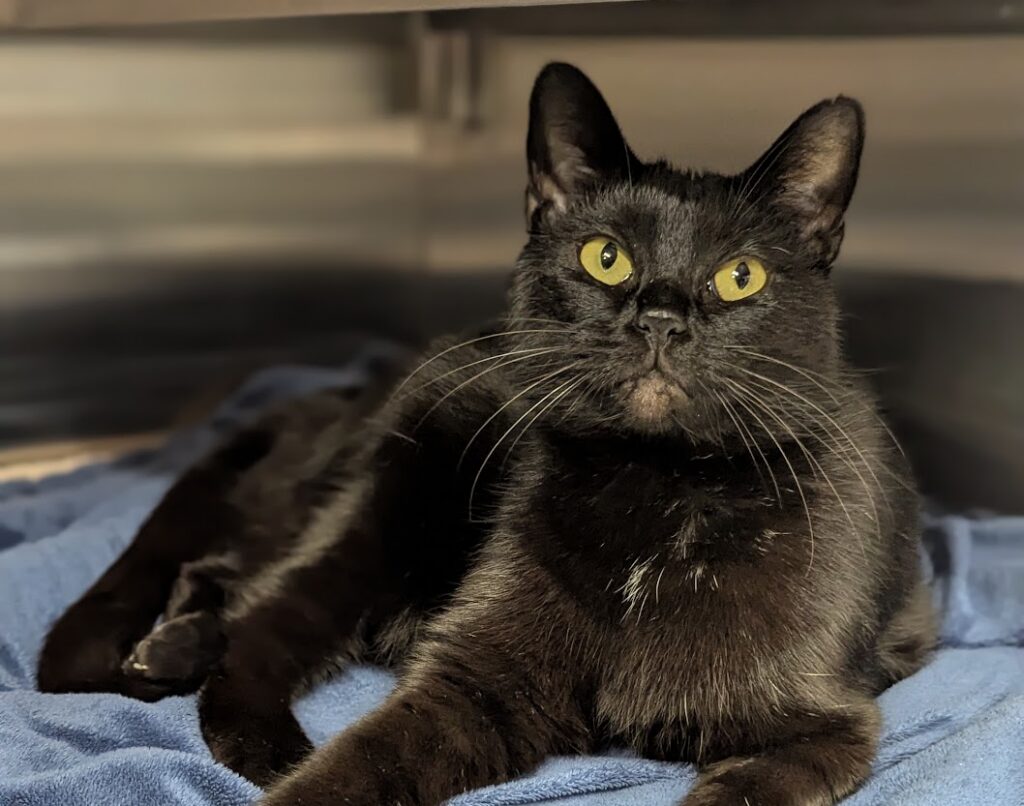
Black dogs and cats are full of personality. But when it comes to animal rescue, their coats can sometimes create challenges that other pets may not face.
From outdated superstitions to the way animals are photographed, black dogs and cats have become part of an ongoing conversation in animal welfare. You may have heard the term “Black Dog Syndrome” or “Black Cat Bias.” But where did these perceptions come from? And why does it matter?
This October, we’re taking a closer look at the misconceptions surrounding black dogs and cats and why every animal deserves to be reocgnized for more than their appearance.
What Is Black Dog/Cat Syndrome?
Black Dog Syndrome or Black Cat Bias are terms used in animal welfare to describe the belief that black dogs and cats are less likely to be adopted than other colors.
While there isn’t enough research and evidence to say definitively that black dogs or cats universally face lower adoption rates, the conversation raises questions about how appearance and perception influence the way shelter animals are noticed. According to “Coat Color and Cat Outcomes in an Urban U.S. Shelter,” black cats experience the highest euthanasia and lowest adoption rates, while white cats had the lowest euthanasia and highest adoption rates. Ask anyone on the frontlines of rescue, or check your local shelter’s euthanasia list, and they will tell you the dogs with golden fur, fluffy white cats, or pets with beautiful merle patterns are the ones that most often catch adopters’ eyes.
But, an animal’s color doesn’t determine their personality, behavior, or ability to be a wonderful companion. When an animals’ first impression happens through a photograph or online profile, apperance (and subconscious biases) can influence whether someone stops to learn more.
Why Photography Matters
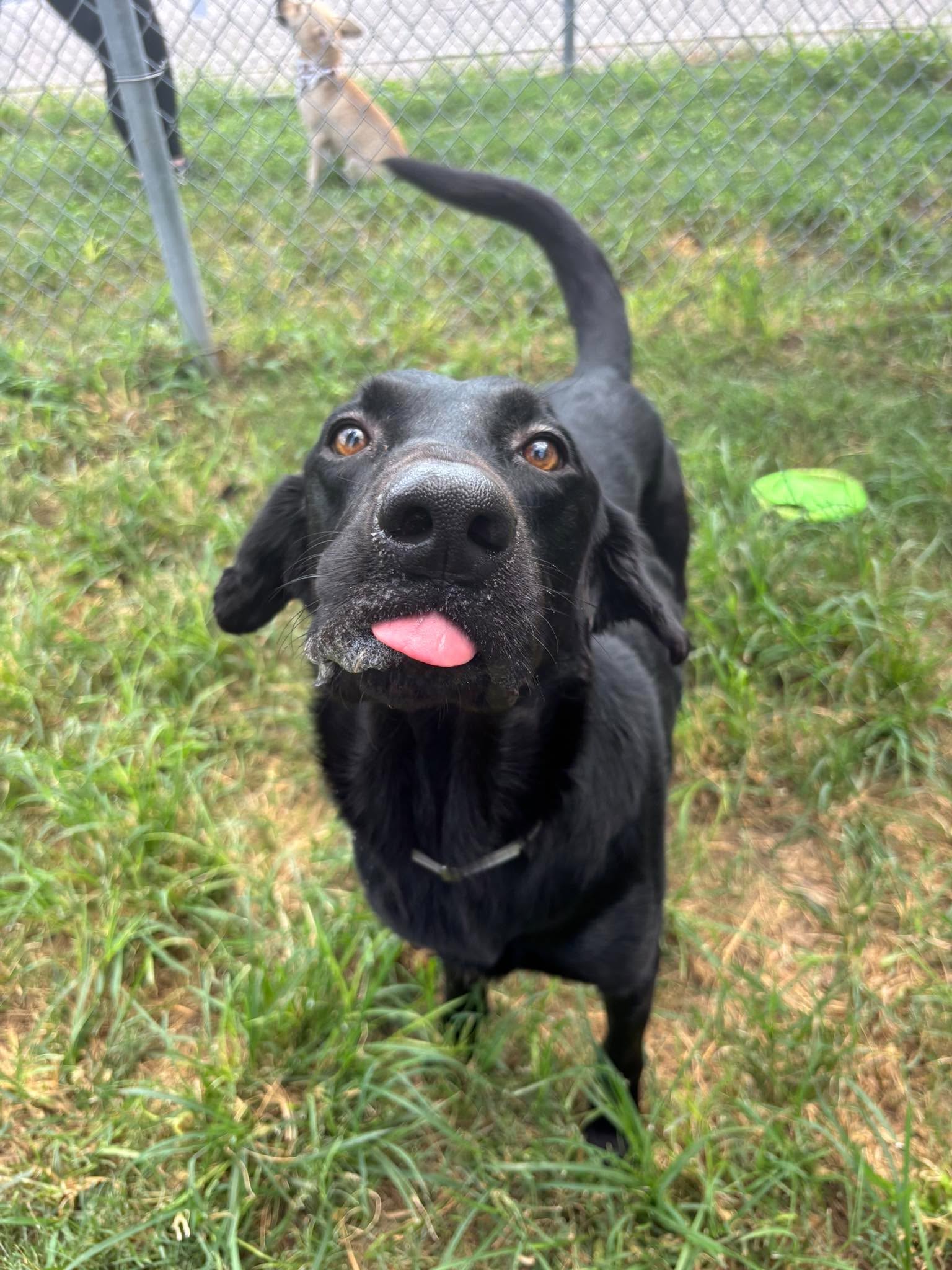
For many rescue animals, their first introduction to the public happens through a photo. Before someone meets a dog or cat in person, they may see them on a rescue organization’s website or social media. That image can shape their first impression and determine if they want to meet them in person.
Black dogs and cats can present unique photography challenges, especially in darker kennels or poorly lit environments. Their facial features, expressions, and eyes may be harder to capture, making it more difficult for their personalities to come through.
A black dog might be the biggest goofball in the room. A black cat might be playful, affectionate, or completely independent. Their fur color doesn’t tell you any of that. Taking the time to learn about an animal beyond their appearance helps create a fuller picture of who they are.
Black Cats and Bad Omens
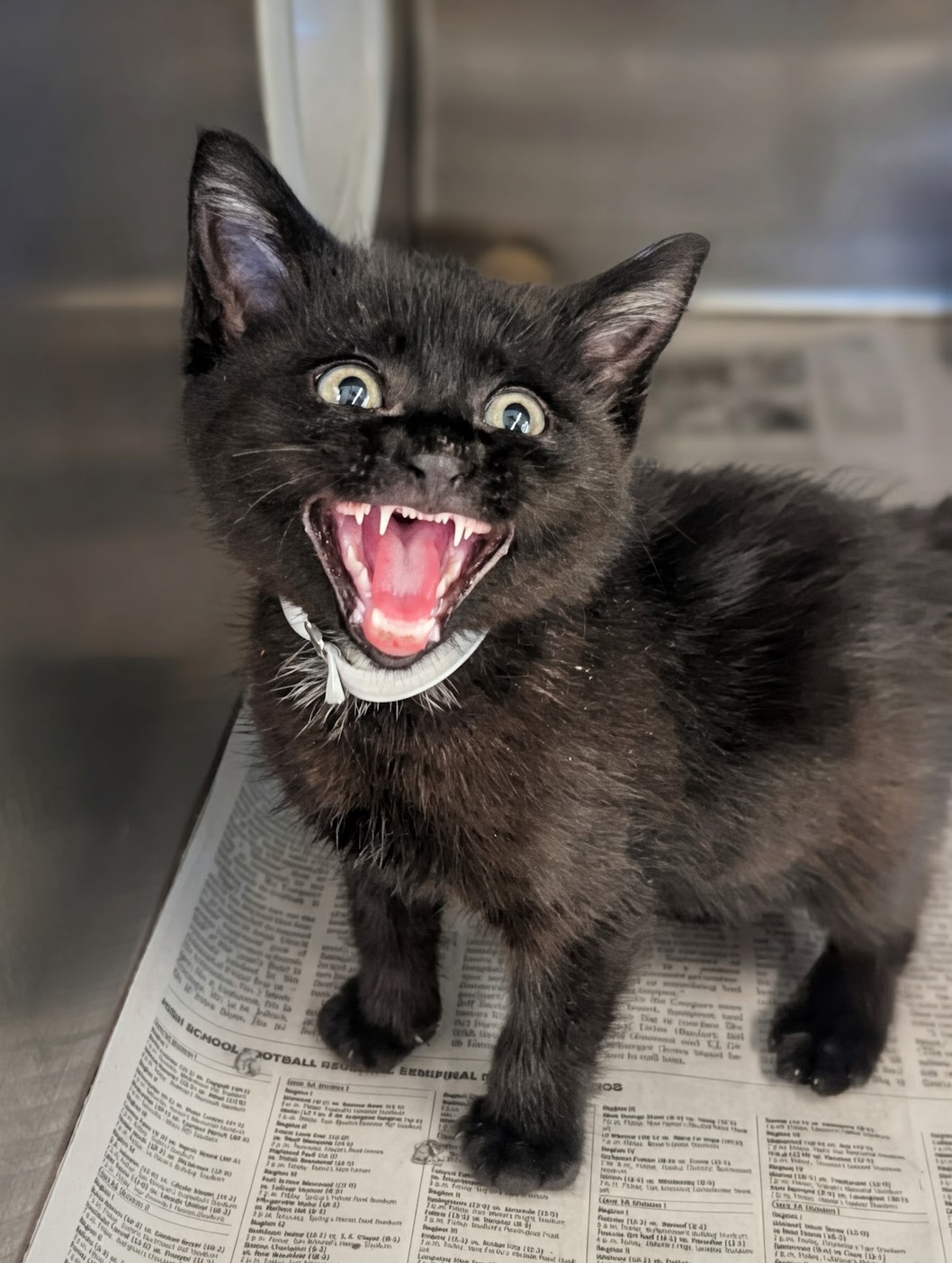
For centuries, black cats have been associated with Halloween, witches, and superstition. Their appearance has become a familiar part of seasonal decorations, costumes, and pop culture.
For many people, these associations are harmless fun. But the problem arises when a real animal becomes defined by a stereotype. Western folklore often depicts a black cat crossing your path as a sign of impending misfortune. European legends tell stories of black cats being associated with dark entities and witches. Halloween pop culture often shows them hissing with raised backs in a fog-laced cemetery. These are centuries-old myths yet, even today, the thought that black cats are a harbinger of bad luck influences their lives.
Black cats are not bad luck and their coat color has no bearing on their personality or the amount of love and companionship they can provide. They can be curious, playful, affectionate, independent, or all of the above. Just like any other cat, they are individuals. Halloween is a great opportunity to remind people that black cats are more than a seasonal symbol. They deserve to be treated with care and respect all year along.
Black Dogs and Dark Imagery
Modern media didn’t invent the “evil black dog” narrative. It just inherited it and refined it. Across history black dogs have been vilified and often depicted as aggressive or evil. In ancient Egypt, it was believed that Anubis, a black dog-like creature, was the god of the dead. Greek mythology features Cerberus, a three-headed monster dog guarding the gates to the Underworld.
In more recent culture, “The Hound of the Baskervilles” leaned into this and transformed a black dog into a curse. Harry Potter used a black dog known as “The Grim” to signal imminent death. Even Taylor Swift has a song titled “The Black Dog,” using the image as a poignant metaphor for sorrow and grief.
All this shows that the persistent media framing of black dogs has created a subconscious bias. In shelters, this has manifested as an unconscious hesitation. Adopters will either ignore black dogs or dismiss them as less desirable, subtly influenced by decades of negative portrayals in legends or media.
How You Can Help
The most obvious way to help is by bringing a black cat or dog into your family. But, you don’t have to be adopting a pet to make a difference in animal rescue.
There are several ways to help black dogs or cats get noticed and support the organizations caring for them.
Share their stories: When a rescue organization shares an animal’s photo, video, or story, re-sharing that content can help more people see them. Show them playing, cuddling a child, or acting goofy. Anything that captures their true nature and reshapes the narrative.
Challenge outdated myths: Sharing accurate information can help change the way people think about animals. Discuss black animals in a positive light and share real experiences about them. Change the narrative among your circle and in turn, they will share what they’ve learned to others.
Support rescue organizations: Donations, volunteering, fostering, and sharing educational content all help support the work of animal welfare organizations. Rescue workers know how loveable black pets can be and will advocate for their happiness.
Look beyond the photo: Take the time to learn about an animal’s personality, background, and needs. There’s always more to discover beyond what you see on a screen. Shelter pets often need time to show their true personalities. Just like humans don’t reveal our whole selves until we are comfortable with someone, animals can be the same. Give them time and patience to decompress from a shelter environment.
Every Animal Deserves to Be Seen
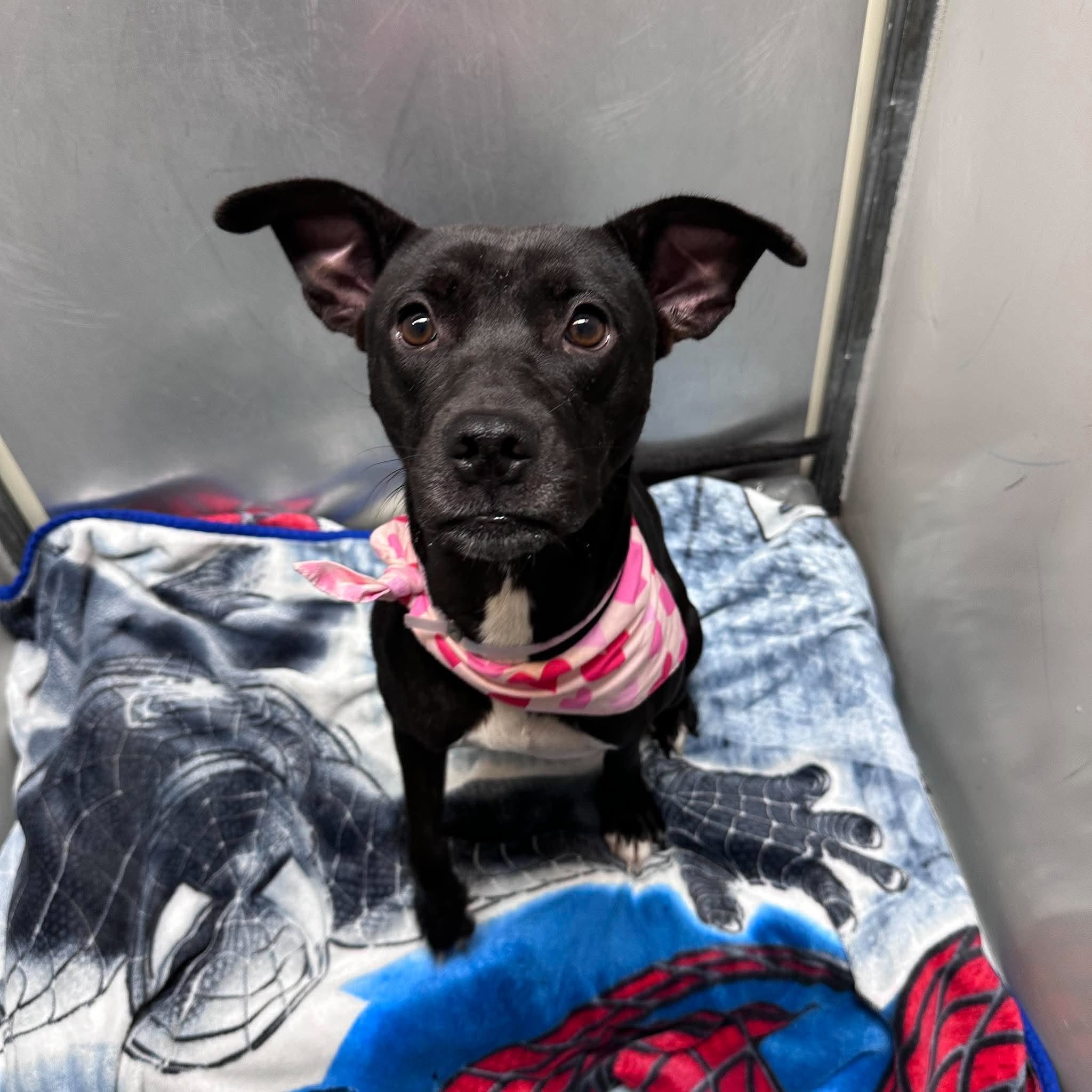
Black dogs and cats are more than their appearance. They are individuals with their own personalities, quirks, and stories. Coat color or breed is a poor determination of a pet’s nature and ability to be a wonderful companion.
The way we photograph, talk about, and interact with animals can influence how they are seen.
So, this October, let’s challenge outdated misconceptions and help create a community that recognizes animals for who they are! Because every animal deserves to be seen as more than a color or myth-derived stereotype.

Want to join the movement?
Why I Foster…
“We started fostering after our personal pets all passed as we hope to travel extensively. Fostering fills the void when we are home and our goal is to fill them with love before their journey. It’s always hard to let go but the posts from other fosters make you know that you are not alone. Plus, there’s always another to help. RPM has made such a difference for Houston area animals. I always feel supported and heard.”

- Monday 9am - 6pm
- Tuesday 9am - 6pm
- Wednesday 9am - 6pm
- Thursday 9am - 6pm
- Friday 9am - 6pm
- Saturday 9am - 6pm
- Sunday 10am - 4pm
Rescued Pets Movement
The Jack C. Alexander Building
2317 W 34th Street
Houston, TX 77018